If you're one of noodle fans. During your stay in Jogja, you should come to Bakmi Shibishu eatery located on Bantul raya street No 106. This location is just only 5 minutes stroll from Malioboro, 500 meter southern side of Beteng Kulon. Don't be puzzled by its japanese name, this place is owned by purely a Jogja person and it has been being operated since 25 years ago. This place is more often visited compared to the surrounding eater.

Beside the crowd of this place, at first, i was quite confused with what i would discover in this place. This place is well-known as "mute noodle". Some fad thoughts came up concerning that name. At first, i thought it's due to the delish noodles provided there so that we'll not speak any words. Second thought, the seller is mute. However, when i ordered a portion of noodle to an old lady there, the second guess was somehow incorrect because the lady could speak. But eventually, i discovered that one of my guess was right, here is the complete story.

After ordering fried noodle, i also ordered hot tea as the complementer of my meal. During the time of waiting,i began to understand the reason why this place is called mute noodle. The fact is revealed, waiteress delivering the foods is mute and also one more person who blend the ingredients of noodle and the cooker are also mute during the course of cooking.

It' quite a long time until finally my food arrived. It' accepted though bearing in mind that this eatery only using a brazier with carbons to cook all the orders. During your time of waiting, hot tea would come earlier to accompany you. There, you're also given a tea pot to refill your glass. Beside different method of serving, the teaste of tea is very different compared to other tea. The first drink will give its own sensation.


After 20 minutes of waiting, finally my fried noodle delivered by the mute lady. The appearance of this fried noodle is pretty similar to other noodles. However, the color is a bit lighter. Most probably, it doesn't use much soy souce. The noodle comprises two kinds of main noodle. First, is yellow noodle and bihun (thin rice noodles). After that, it's complemented by small pieces of chicken and celery. The first bite made me lost my words. The ingredients included in this noodle so tasteful. At a glance, it's a bit too much but the next bites make it better.

On the dining table, we can also find chilies which are so delish once we plump it to the noodle. One of The most unforgettable parts of eating this noodle is the hot tea part. These Two indispensable parts are completing each others to make an unforgettable culinary tourism for you. In the end, I was quite happy that one of my two guess was right. Shibishu noodles truly made me lost my words for its great taste.
Read More

Beringharjo Fried Rice, can now be found on Jalan Mataram, right of the third T-junction on the left side of the street leading to the historical market in Yogyakarta. Before the end of the year 2004, when the food stalls were still open in the area, the fried rice was found on the T-junction leading to Shopping area that now is changed into Taman Pintar, Taman Budaya Yogyakarta and the center of book shops.

This fried rice is worth trying because many people acknowledge its deliciousness since the owner started its business in 1960s. You do not have to wait for the menu to be served since the seller has cooked them in big portion. It starts open from 06:00p.m to 11:00p.m. with cross-legged and chairs seating arrangement.

Eating this fried rice, you feel like listening to a plate of story about Javanese-Chinese acculturation. Fried rice itself actually originated from China and immigrated to Indonesia. Initially, fried rice existed from Chinese tradition that prohibit throwing uneaten rice, so that the rice was processed using available ingredients such as onion, garlic, and ketchup. When Chinese people came to Indonesia, such a cuisine was known by Indonesians as well and started to mix with Indonesian cuisine.

The acculturation can be seen from the variation of fried rice, from chicken fried rice, seafood fried rice, mutton fried rice, and even pete (beans with pungent odor) fried rice as Indonesian special ingredient. The taste also varies; some accentuate the taste of garlic and some accentuate the taste of additional material such as chicken. Beringharjo Fried Rice chooses to cook chicken and pork fried rice.

Speaking of ketchup as one of the ingredients, it also keeps story about acculturation of Chinese people living in Java. Ketchup, actually was named kie tjap, is made of fermented fish concentrate. When Chinese people living in Java found that soybeans were cheaper than fish, the raw material of ketchup making was changed to soybeans. Consequently, it did not have fish taste; it only tasted sweet for sweet ketchup that is used to cook fried rice. Strong taste of garlic also becomes characteristic of Chinese cuisine.

Although there are many fried rice sellers, Beringharjo Fried Rice is still special. The process of cooking, for example, is in big portions. As much rice as half of a big rice basket can be cooked at once in a very big pan. The ingredients are very special since they have been mixed at home and ready to use.

Chicken or pork is added when the fried rice is on the plate. Besides, slices of fresh tomato, cabbage, celery, omelet or pickle are additional. Some customers even order one and a half or even two portions at once because of its deliciousness.

The taste is just right, not too sweet nor too salty. The aroma of garlic is not too strong yet tasty. Are you interested in tasting? You can have other menus such as fried noodle and pork cooked with ketchup that are not less delicious.
Read More

Above is the lyrics of a song entitled "Kolam Susu" (literally translated as "Milk Pond") popularized by Koes Plus; a song which seems to perfectly describe Gunungkidul. Dry hills full of limestones are a common view covering the majority of the area. Still, it doesn't mean that the locals run out of ideas to survive. By planting cassava (Manihot utilissima) on the rocky land, Gunungkidul locals are able of harvesting the plants and processing them into a food known as thiwul. Brought all the way down from Brazil and introduced by the Portuguese to Indonesians back then in the 16th century, cassava has been proven to grow well in Gunungkidul's dry land.

Thiwul used to be the main food for Gunungkidul locals during Japan's colonization-it substituted rice, which were hardly accessible. When eaten, it will expand inside the stomach, making one eating it quickly feel full. It was a good thing, recalling that life was hard during the colonization era.


Today, thiwul is no longer a main food for Gunungkidul locals; its position has shifted into becoming traditional snack. One of the legendary thiwul seller is Tumirah. Yu Tum-that's how she is commonly called-has been selling thiwul for 28 years, since 1985. Began with selling from one village to another, Yu Tum-now reaching her eighties-has now had 3 counters managed by her children-in-law. Her central counter and kitchen is located at Jalan Pramuka no. 36, next to Wonosari's Village Hall. Moving away from its stigma as Japanese colonization food, thiwul has now being favored by tourists visiting Gunungkidul.


Thiwul Yu Tum is special, indeed. It has fine grounded gaplek (dried cassava), which, once cooked well, will taste smooth just like the texture of a bread. Also, Yu Tum adds brown sugar as sweetener, while grated coconut which accompanies it adds more to its taste. What a perfect combination! Thiwul can be eaten as snack, or to substitute rice-by eating it along with sambal (grounded chili and spices) and green chili soup. You can also order for gathot (another kind of processed cassava) and the unique fried grasshoppers menu as alternative options. Yu Tum has it all. Better still, you can also try thiwul in cheese and chocolate flavors-preorder first to have a try on them.

Thiwul is made by drying up cassava's tubers into gaplek (dried cassava), grounding it, and steaming it. Even until now, Yu Tum keeps on cooking thiwul using luweng (traditional hearth for cooking) and firewood, metal crocks, and cone bamboo steamers-characteristics of traditional Javanese kitchen now rarely found. She maintains it to preserve the taste of her thiwul. The cone bamboo steamers are used to mold thiwul in mountain shape. If you desire to take thiwul home as gifts, Yu Tum has also prepared besek (box made of bamboo) to wrap the mountain-shaped thiwul.

Apart from thiwul, Yu Tum also provides other variants of food made of processed cassava, such as gathot, cassava chips, and fried gethuk. You can also buy instant thiwul which you can steam at home yourself. Gunungkidul locals have proven their excellent skill in processing their land's harvest. Though their land is dry and hard to grow plants, they can still make delicious, nutritious foods.

Gunungkidul is definitely a paradise land; even wooden stick and rocks can be made into plants. We suspect that Yok Koeswoyo-the composer of the song "Kolam Susu"-had got his inspiration from Gunungkidul's thiwul.
Read More


Indonesia is has a diverse and rich culture. Each province has its unique custom, language, traditional clothes, even the dishes and snacks. We cannot talk about culture without talking about the food, right? The diversity in Indonesia has led to a rich culinary heritage. From the famous rendang to Indonesian salad gado-gado, every Indonesian food is really worth to try. We’ve talked about the must try Indonesian dishes, and now let’s talk about delicious and famous Indonesian snacks.

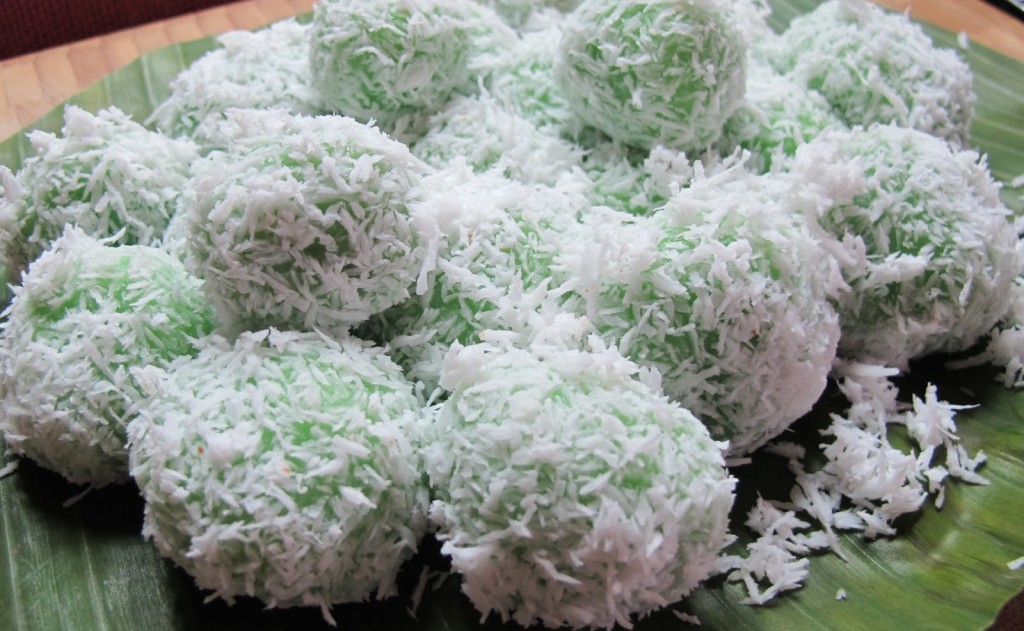
 Klepon

 Klepon is a famous Indonesian snack, and often categorized as jajanan pasar (snacks that you can find at the traditional market). It is made from rice flour and glutinous rice flour filled with melted palm sugar. The marble-shaped snack is also covered by shredded coconut. When you chew it, klepon will ‘pop’ in your mouth and the sweet melted palm sugar will make your taste buds dance! Onde-onde Just like Klepon,

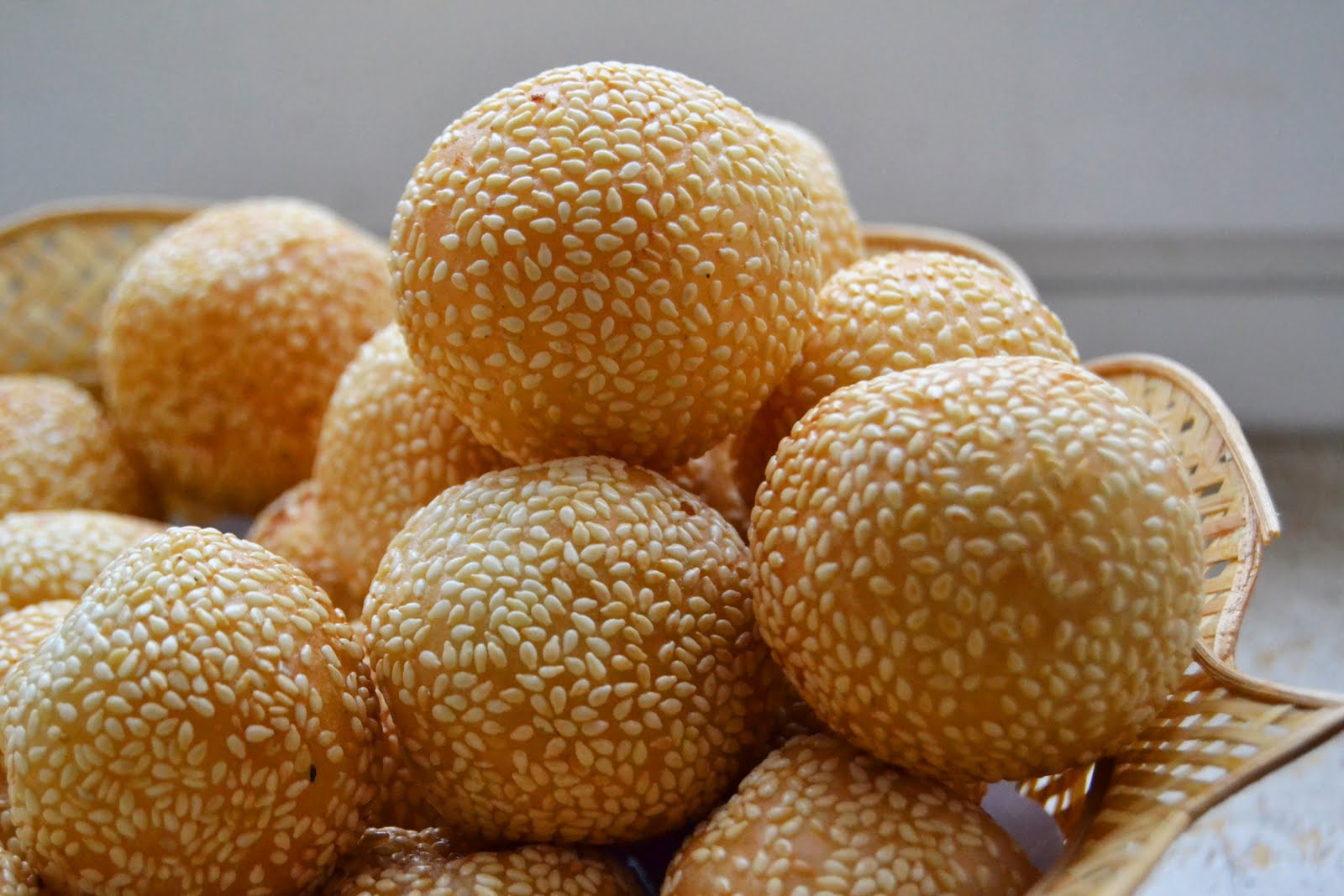
 Onde-onde 

is also one of the jajanan pasar in Indonesia. Onde-onde originated from Mojokerto, East Java and makes the city dubbed as ‘City of Onde-onde’. It is made from glutinous rice flour and filled with green bean. The skin is coated with sesame seeds and makes this snack tastes sweet and a little bit salty. These days, there are many gift shops sell Onde-onde with various flavors and filling, such as sweet potato flavor and chocolate.

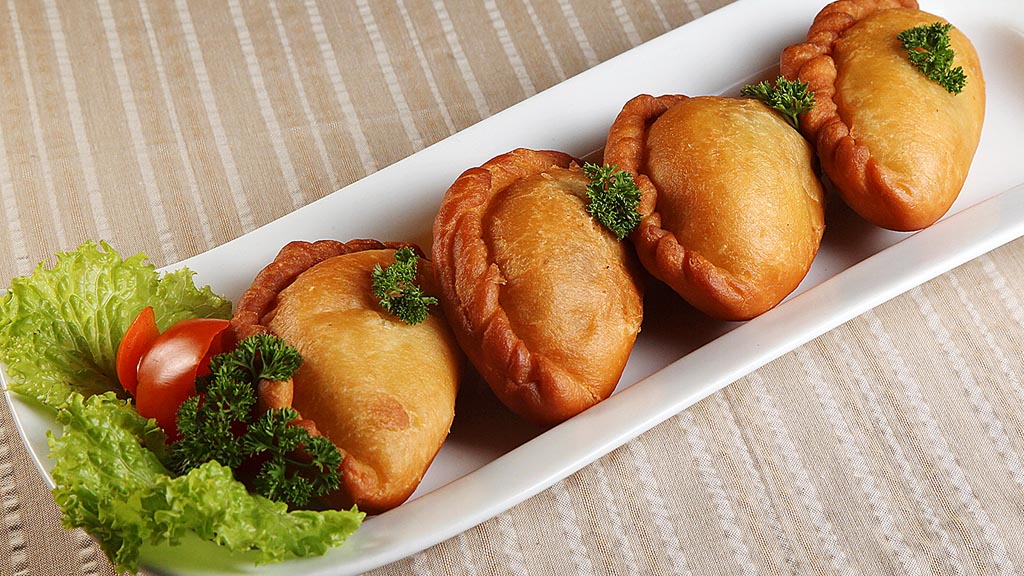
 Panada

 Panada is traditional snack from Manado, North Sulawesi. It’s kind of fried bread with spicy shredded tuna filling. The soft bread, combined with the fresh tuna and signature Manadonese spices will make you want to eat it again and again. You can find this snack at the market or Manadonese restaurants.

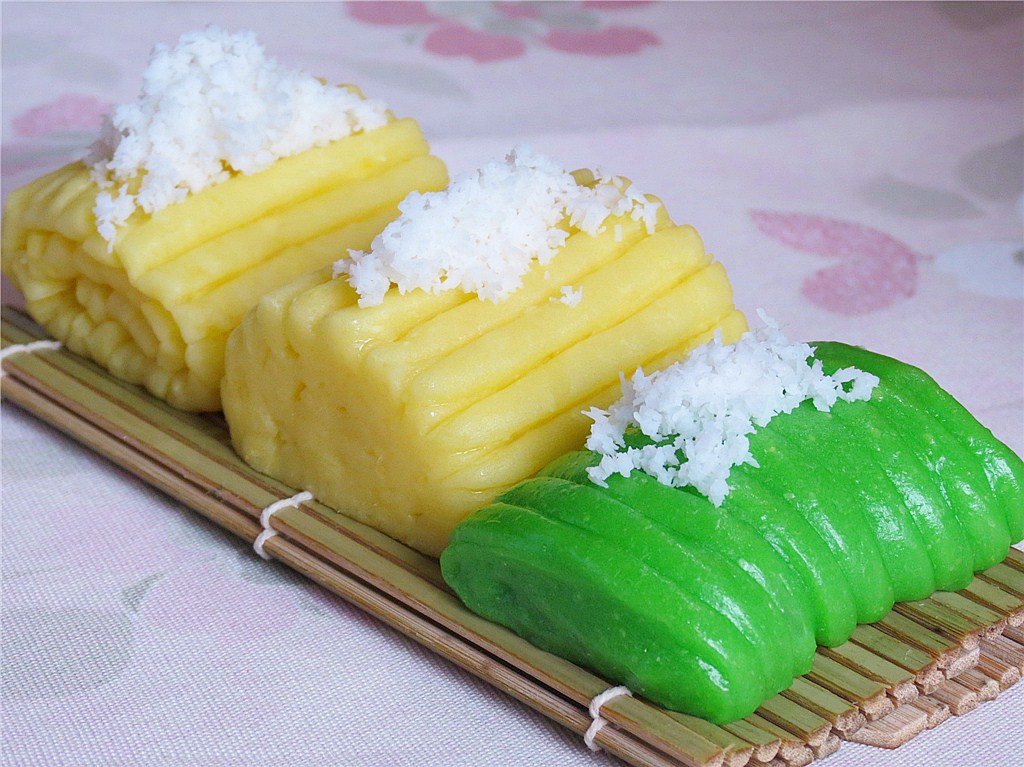
 Getuk

 Getuk is Javanese snack that is made from cassava. There are two kinds of getuk: getuk, is the steamed cassava is sprinkled with shredded palm sugar, so it’s brown in color and the texture is a little bit coarse. Second is getuk lindri, it is when the steamed cassava is grinded with sugar, and is colored with food coloring and vanilla extract. After that, it is molded into small, long shape so it looks like noodles and then cut into square pieces. Usually it’s served with shredded coconut and palm sugar syrup. You can find getuk at the market (in the morning), snack hawker, or at gift shop especially in Java area.

 Surabi 


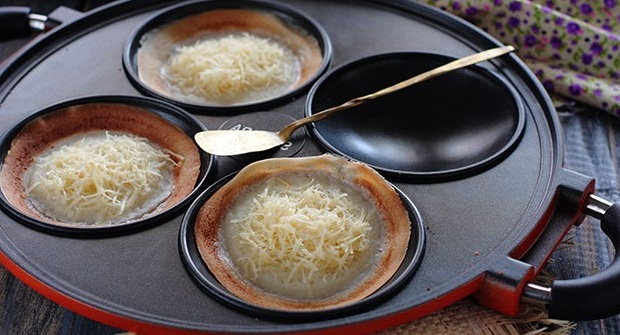
Surabi or serabi is an Indonesian pancake that is made from the mixture of rice flour and coconut milk or plain shredded coconut. Most of traditional serabi tastes sweet, as it is usually eaten with kinca or thick golden colored coconut and sugar syrup. But nowadays there are many varieties of serabi toppings from oncom to minced beef and cheese. Serabi from Bandung is typically dryer and firmer with various kinds of toppings, while serabi from Solo are more traditional with a little bit half cooked in the center and thin crispy crust. You can find serabi at traditional market, street serabi hawkers, or gift shops.

 Cireng 


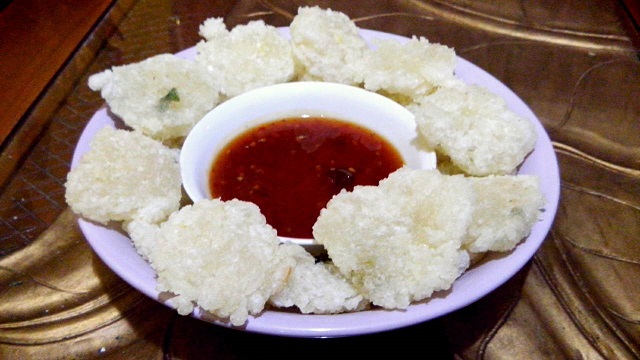
Cireng is Sundanese traditional snack that is made from tapioca or corn starch. This snack is really popular in Priangan, West Java, but nowadays we can find it almost everywhere in Java. The name ‘cireng’ is actually an abbreviation from ‘aci digoreng’ literally means fried tapioca, which is what it really is. Usually cireng is served along with spicy peanut sauce dipping. We can find many variations of cireng with chicken, sausage, even beef fillings.

 Keripik Tempe 


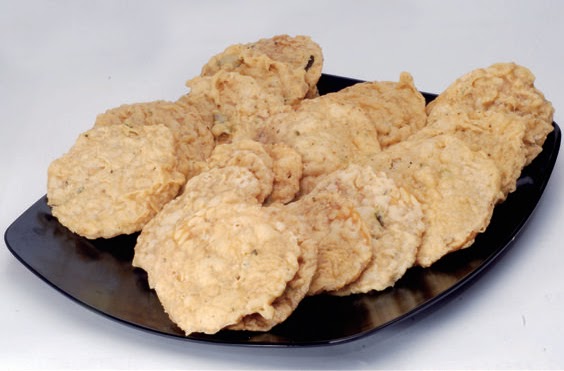
Keripik tempe or tempe crackers are snack made from thin-sliced tempe coated in garlic and coriander flour batter. The taste is salty with a mouth-watering garlic aroma. Nowadays there are many fusions tempe crackers with various flavors such as chili, cheese, barbeque, even seaweed flavor. This snacks are available in almost everywhere in Java, either it’s sold as gift (usually gift from Malang, East Java) or just for casual snack.

 Bika Ambon 


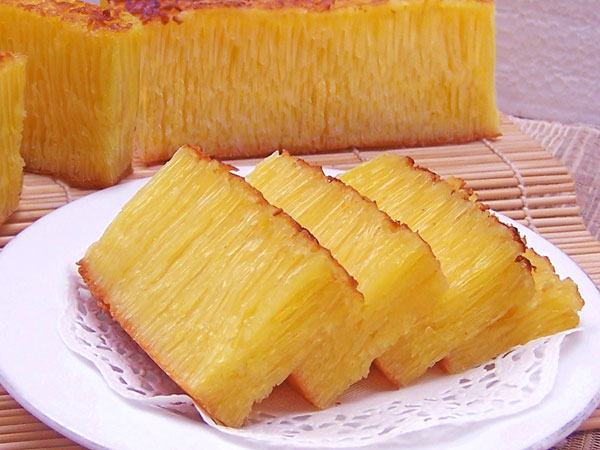
Bika Ambon is dessert made from tapioca flour, eggs, sugar, yeast and coconut milk. The yeast creates bubbles which gives Bika Ambon unique spongy texture when it is baked. Although the name contains the word “Ambon”, the name of an island and its largest city in Indonesia, Bika Ambon is widely known as specialty cake from Medan, North Sumatera. Usually people who visited Medan bring this cake as gift to their home. But, don’t worry; now you don’t need to visit Medan first to buy Bika Ambon, because it’s easy to be found in cake shops or bakeries all around Indonesia. 

Kue Cubit


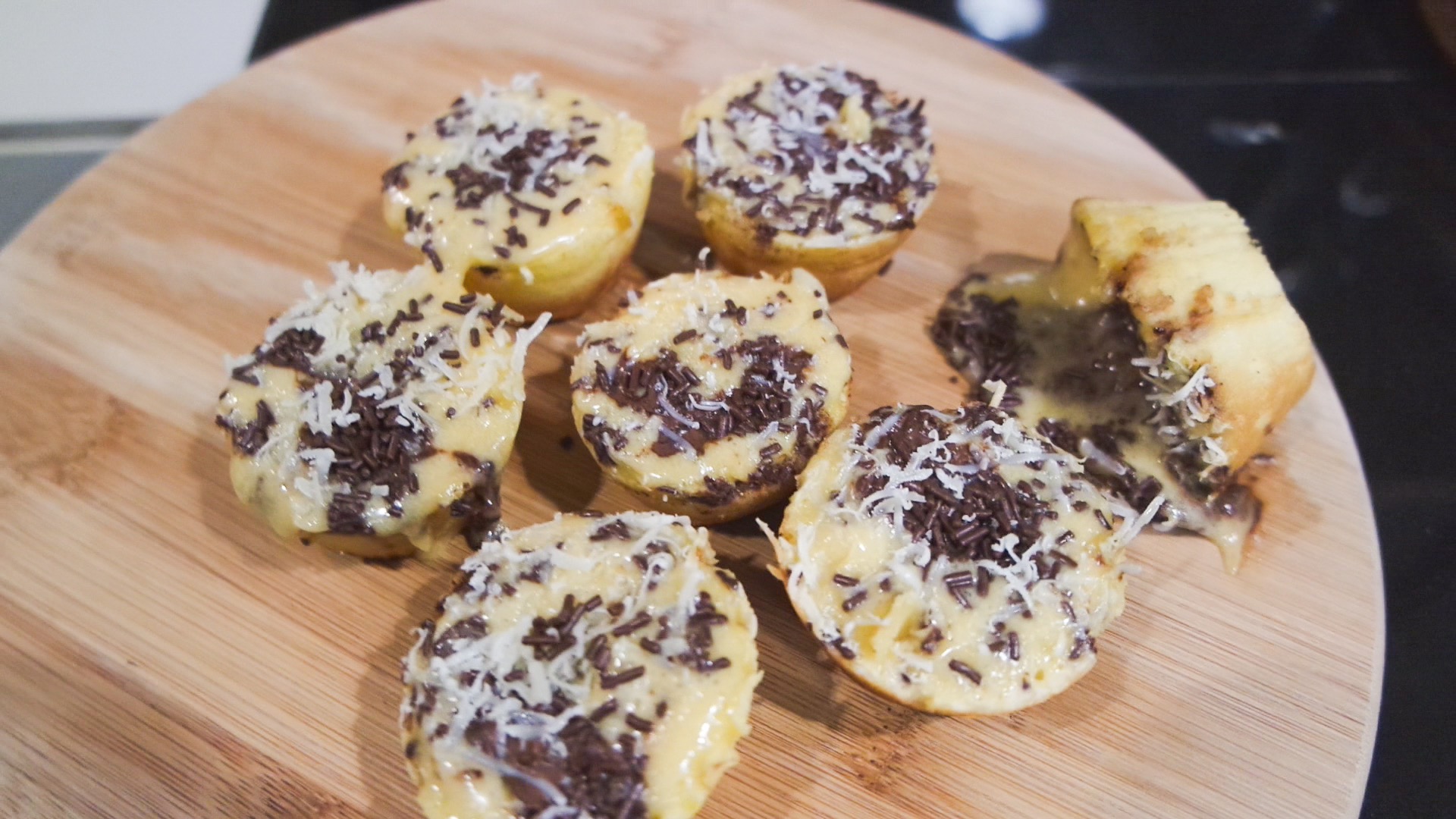
 Kue Cubit is one of the popular snacks in Jakarta. This tiny snack is usually sold near schools by hawkers. Kue Cubit is made from milk and wheat flour batter, and molded in stainless steel Kue Cubit mold. The name ‘Kue Cubit’ (literally means pinched cake) was taken from the way Kue Cubit makers remove the cooked Kue Cubit using clamp/tongs so it looks like the cakes are being pinched. Nowadays, there are many variations of Kue Cubit flavor and toppings, such as red velvet, green tea, and coffee flavor. It’s said that Kue Cubit tastes better when it’s half-cooked. Yummy!

 Lemper


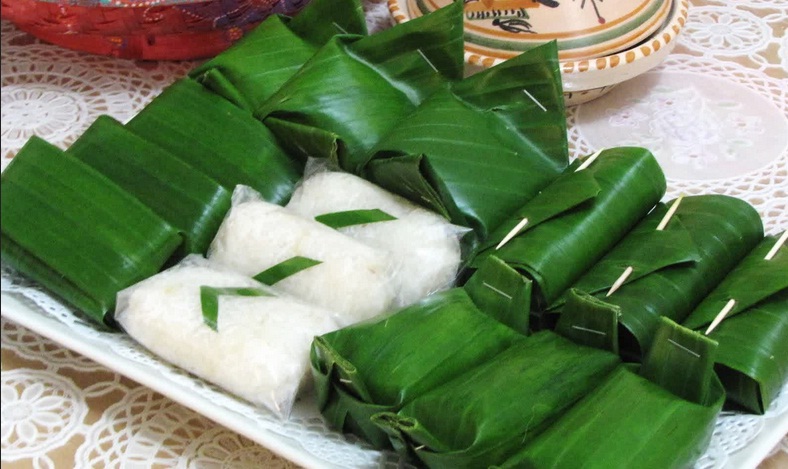
 Lemper is snack made from steamed glutinous rice filled with beef floss, chicken or fish meat. It tastes savory, because the rice is cooked with coconut milk and other herbs such as bay leaf and lemongrass. Well, we can say it’s like ‘Indonesian sushi’ without seaweed and wasabi! You can find lemper at traditional market or bakeries all around Indonesia. Actually there are many more Indonesian snacks than this list. If we explore the snacks from each province in Indonesia, the list would never end! But, these snacks are really must-try snacks especially if you want to taste the diverse culinary heritage of Indonesia. You can easily find these famous snacks on the roadside!

Read More

Solo Gateways and Street Food Market

After the last four days had been really exhausting, the day today simply had to be more relaxed, slow and easy-going…

White Gateway of the Palace Area in Solo on Java, Indonesia
While the last days had required getting up between 4 and 5am, travelling 12 hours a day or hiking on volcanoes and walking around, now it was great to not having a schedule and being able to take care of such exciting things as laundry. The little homestay in Solo, surrounded by a small garden, was the perfect place for that and so it wasn’t until lunch time that I finally felt ready to leave the fenced-in complex. Naturally the great open-air street food market became my first destination and since the food was so tasty, I ended up spending over two hours sampling various dishes from different stalls…
Only after it was absolutely impossible to eat anything more, I managed to make my way to the 1745 established royal palace called Kraton Surakarta. But unfortunately it appeared that I had spent too much time enjoying the delicious food and so I found this palace closed down for the day. Luckily there was a second palace in Solo, Istana Mangkunegaran, established 1757 and still partially inhabited by the aristocratic family. But by the time I finally arrived there, it was closed already as well…

Local Street Food Market in Solo on Java, Indonesia
Slightly disappointed about the much too early closing times in Solo, I simply used the day to walk around and explore the area around the palace. While the palace itself was enclosed by white walls, the surrounding area as well turned out to be a maze of white walls and gateways. It seemed that everything must have been once part of the extensive palace complex, providing living quarters for employees of the court and stables for the royal horses. Nowadays behind those gateways lay small courtyards with tiny micro cosmoses of houses and small businesses…
While it was fun to just wander around and explore as many of the white wall gateways as possible, eventually I rather focused my attention on the street food again. There happened to be street vendors everywhere, making fantastic little pancakes with coconut and chocolate or banana. They were simply delicious and so was the food on the lively street food market as well again in the evening. Even if the palace visits had not worked out today, at least the food was amazing and there even happened to be another fashion show. This time it was Batik themed, displaying busy local patterns and helping to make this the perfect ending of a nice day in Solo…
Read More
One of the best ways to truly immerse in a certain culture is by trying out the cheapest types of food offered in the country/city! For starters, you should experience the street food in every city you visit. So, if you are planning to go to a trip to Sumatra, Indonesia, make sure you make stops at the following places, they offer the best street foods in Sumatra!

1. Padang, Sumatra


Getting around Padang in Sumatra is very enjoyable because Padang cuisine is one of the best there is in the whole world. But in terms of street food, you should try out different types of “satay.” This is the Indonesian version of barbecue, or grilled meat on skewers. The satay in Padang (hands down the best street foods in Sumatra) is unique, since it is cooked like curry, with the same herbs, therefore producing the same yellow color and the same irresistible taste.

2. Batagor & Siomay Ibu Endang


Siomay (Indonesia’s version of dim sum) is another of the best street foods in Sumatra. Siomay is everywhere in Sumatra – you can get it from bicycle and sidewalk vendors, even! The Batagor & Siomay Ibu Endang restaurant in South Sumatra is just one of the many, many places you can enjoy siomay and its iconic peanut sauce! Sidenote: peanut sauce is big in Indonesia. Be not afraid to try it even if it seems a bit weird at first! It’s actually really tasty!

3. Palembang, South Sumatra


Palembang is a place in South Sumatra that serves some of the most sumptuous Indonesian food. One of the best street foods in Sumatra that you can find in Palembang, however, is called Pempek, or empek-empek. It is made from fish and tapioca, primarily. There are many other variations of the Pempek, however, that adds various ingredients aside from the basic fish and tapioca. Try the kapal selam – this one is very popular for locals and tourists alike, and in contains an egg in the center of the Pempek.

4. Aceh, Sumatra


Aceh in Northern Sumatra is a food hub known for its Indian and Malay fusion cuisine. The best street foods in Sumatra that you can experience in Aceh, however, is the Mie Aceh (Aceh noodles). You can have it in meat or seafood, but either will be served with a spicy sauce that will surely satisfy your quest for authentic Indonesian food. Mie Aceh has a distinct taste to it that you will not taste outside Indonesia. Tasting it would surely be an unforgettable experience.

5. Harum Manis, Palembang


Harum Manis is a restaurant that serves one of the best street foods in Sumatra, the otak-otak. It is fish cake wrapped in banana leaves before being cooked over charcoal. It is best enjoyed in Sumatra where it is served with red chili and soy sauce, while in Jakarta it is served with peanut sauce. You can buy this from bicycle and street vendors all over the place, but when you eat at the Harum Manis resto, you can order some Indonesian ice cream to go with it! Wow, that certainly left me peckish! So, try to experience all of the street food in Sumatra, specifically the ones listed in here! You should, of course, explore and discover the others on your own. Don’t be afraid to order stuff just because you don’t understand its name or dsecription in the menu, the fun is in finding out!
Read More
These tasty meat skewers cook up over coals so hot they need fans to waft the smoke away.
Whether it's chicken, goat, mutton or rabbit, the scrappy morsels get marinated in turmeric, barbecued and then bathed in a hearty dose of peanut sauce.
Other nations now lay claim to sate, but Indonesians consider it a national dish conceived by street vendors and popularized by Arab traders.
Each vendor seeks distinction, but "sate madura" -- served with rice cakes (ketupat) and diced cucumber and onion -- is distinguished by its boat-shaped street carts.
Sate Ragusa serves legendary satay that dates to the 1950s. Its signature spaghetti ice cream is a perfect dish to cleanse the palate after a meal.
Sate Ragusa, Jl. Veteran 1 No. 10, Gambir, Jakarta
Read More